
Dr. Hala Aziz (Professor of Oncology – National Cancer Institute)
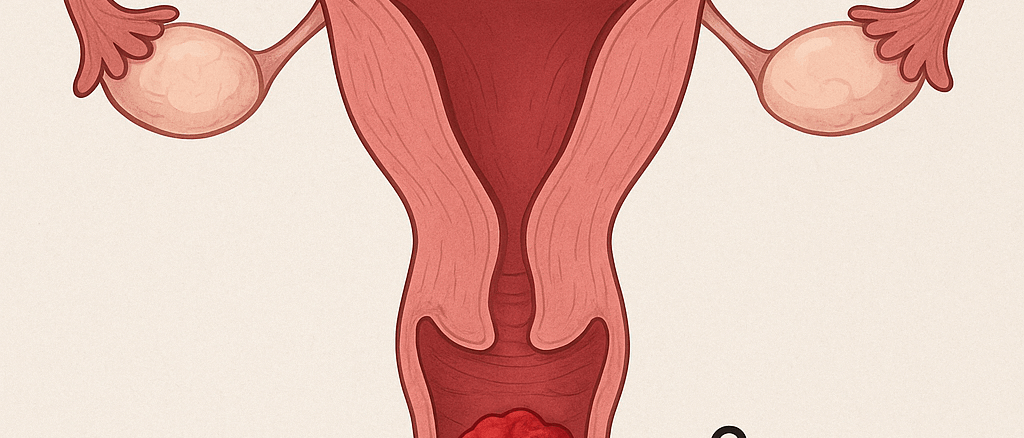
Abnormal cells form at the site of infection, beginning to grow and multiply in the cervix, the lower part of the uterus connected to the vagina.
Cervical Cancer:
There is no direct cause, but certain factors increase the risk:
- Human Papillomavirus (HPV): Infects many people and has multiple types. It does not necessarily lead to cancer, but some types have a high potential for malignant transformation.
- Weakened immunity and other factors such as very early marriage, multiple pregnancies, multiple sexual partners, smoking, and long-term hormone use (e.g., birth control pills in later age).
Initially, the disease shows no symptoms, and may only be detected during routine screening, sometimes as an unusual appearance of the cervix.
Symptoms in advanced stages:
- Lower abdominal pain, either general or during intercourse.
- Unusual bleeding between periods.
- Watery or bloody discharge with a strong, unpleasant odor.
There is no specific age for infection, but the disease is most common between 40 and 50 years. This does not mean the infection begins at this age; HPV may be present and dormant from the 20s or 30s, then later activate and develop into cancer.
Genetic factors:
A strong risk factor—if there is a family history of cervical cancer, the woman is more susceptible.
Treatment:
Treatment depends on the patient’s condition and disease stage:
- Early detection: Only the affected part and surrounding cells are removed, preserving fertility.
- Full cervix removal: Fertility may still be preserved.
- Cervix and uterus removal: Performed to treat cancer and prevent recurrence, but makes pregnancy impossible.
After surgery, patients may undergo radiation or chemotherapy, with dosages tailored to reduce recurrence. Immunotherapy may be used in very advanced cases where other treatments fail.
If left untreated, the cancer spreads to surrounding tissues and eventually the whole body, threatening the woman’s life.
Prevention:
- HPV vaccination (Gardasil): Reduces the most harmful infections but does not prevent all diseases; recommended from age 9 under medical supervision.
- Routine screening: Recommended from age 21 for early detection.
- Hygiene measures: Wear cotton underwear, keep the area clean and dry, remove hair regularly, use medical washes under supervision, avoid public toilets, do not share personal items, and wash underwear separately.
Leave feedback about this